

A new review from the Medicaid and CHIP Payment and Access Commission (MACPAC) suggests that fragmented oversight, unclear accountability and disconnected data systems are creating challenges for Medicaid home- and community-based services (HCBS), potentially affecting providers, caregivers and beneficiaries who rely on self-directed care programs.
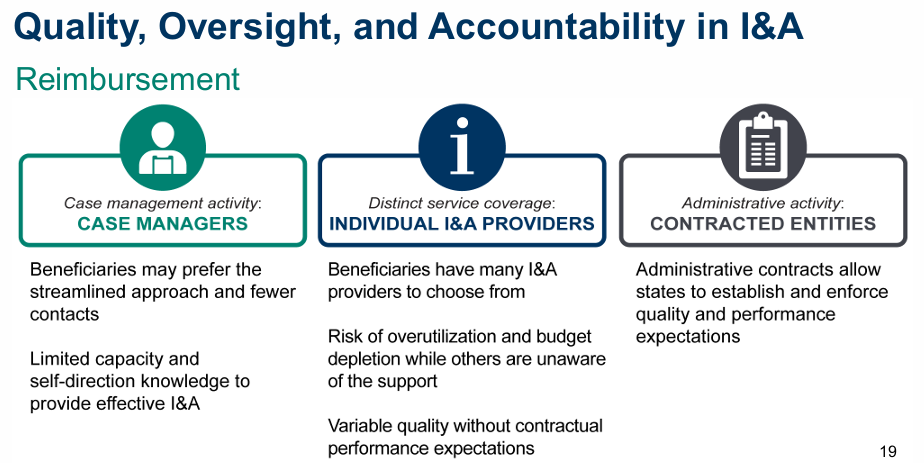
Self-directed HCBS allows Medicaid beneficiaries to choose their own caregivers and exercise greater control over services and supports. While the model is designed to promote independence and person-centered care, MACPAC’s research found that responsibility for monitoring patient health and safety is often spread across multiple entities, including health plans, financial management services vendors, information and assistance (I&A) providers, support brokers and state agencies. The commission’s analysis, which included a federal policy review and case studies in three states, found that overlapping responsibilities frequently create confusion about:
- who is responsible for reporting incidents
- conducting follow-up investigations
- and ensuring problems are resolved.
In many cases, support brokers or case managers take on additional duties to fill gaps in oversight. For providers, the consequences can be significant. Stakeholders reported that inconsistent quality among I&A providers can contribute to service delays, inaccurate paperwork, payment disruptions and beneficiary frustration. Researchers also found that poor coordination between organizations can delay reimbursements to home care workers and interrupt service delivery.
Data fragmentation emerged as a particularly pressing concern. Health plans, vendors and states often operate separate technology platforms, requiring officials to reconcile information across multiple systems. The lack of standardized data exchange increases the risk of miscommunication, missed deadlines, service disruptions and delayed provider payments. Fragmented systems can also create program integrity challenges by making it more difficult to identify fraud, abuse or other compliance issues.
The findings come as demand for home- and community-based services continues to grow nationwide. In 2023, 46 states offered self-direction through Section 1915(c) Medicaid waivers, while only 10 states used the more structured Section 1915(j) authority, which includes specific requirements for information and assistance supports. To address the issues, MACPAC staff proposed that Congress and the Centers for Medicare & Medicaid Services streamline self-direction support functions under a single accountable entity and fund those services through an administrative contract. Researchers argue the approach could reduce administrative complexity, improve data integration, clarify accountability and help states identify health and welfare concerns more quickly.
Arizona has three programs:
- ALTCS HCBS Program is administered through the Arizona Long Term Care System (ALTCS). This program provides long-term care and support for individuals who would otherwise require assisted living or nursing home care. Services can be delivered by formal providers (home care agencies) or informal caregivers, including family members who are hired through a plan provider.
- Arizona Home Based Services (HomeBase/AZHBS) are contracted with the Arizona Department of Economic Security and the Division of Developmental Disabilities (DDD). AZHBS offers services such as Habilitation (HAH), Respite (RSP), and Attendant Care (ATC). These services help individuals develop independence, provide caregiver relief, and support daily living activities.
- Non-Medical HCBS (NMHCBS) is a state-funded program for seniors or disabled adults who need assistance with three or more Activities of Daily Living (ADLs) or Instrumental Activities of Daily Living (IADLs), such as bathing, grooming, meal preparation, and mobility. Care plans are developed with consumer direction, allowing participants or their families to have input on service delivery.
For healthcare providers, particularly organizations serving Medicaid beneficiaries in home-based settings, the report highlights an ongoing challenge: ensuring coordinated oversight while avoiding the administrative burdens that can delay care, disrupt services and slow reimbursement. As policymakers evaluate potential changes, providers may find themselves at the center of efforts to improve both accountability and access in the growing self-directed care market.
Leave a Reply
You must be logged in to post a comment.